
In the current era, there exist many online platforms that are accessed by millions of people daily. According to Hubspot, there were about 4.9 billion global internet users as of 2021. Businesses are now selling their products and services online increasing the emphasis of digital marketing. Besides, online shopping has become increasingly popular due to the rise of trust between customers and businesses.
Online marketing has become an effective form of marketing by companies to reach a large number of audiences and customers. These companies through digital marketing create brand awareness and sell their products and services online. It has become an important strategy for businesses to incorporate online marketing to generate more sales.
Let’s get to understand more detail about digital marketing. Below are links to sections discussed in this article. Click the links to jump to a section that you want to read.
Contents
- What is Digital Marketing?
- How Digital Marketing Works
- 7 Advantages of Digital Marketing
- 9 Types of Digital Marketing (Digital Marketing Strategies)
WHAT IS DIGITAL MARKETING?
Digital marketing is a type of marketing performed through the Internet and digital technologies to promote brands, products, software, events, social media accounts, and businesses among others. The terms Online Marketing, Web Marketing, or Internet Marketing can be used in place of Digital Marketing as these terms refer to the same meaning.
In addition, digital marketing is a marketing approach that uses electronic devices, that can access the internet, for promotional purposes. Examples of this electronic devices include computers, laptops, tablets, mobile phones, and smartphones.

7 ADVANTAGES OF DIGITAL MARKETING
1. LARGE GLOBAL AUDIENCE
Digital marketing allows businesses to reach millions of people around the world. This provides businesses with an opportunity to promote their products or services to a wider audience and attract potential customers who are interested in what they offer. With the vast reach of the internet, digital marketing is a powerful tool for businesses to expand their customer base and grow their brand. Digital marketing also solves location and time zone challenges experienced by traditional marketing as well as large costs that businesses would incur to market globally.

2. REDUCED EXPENSES
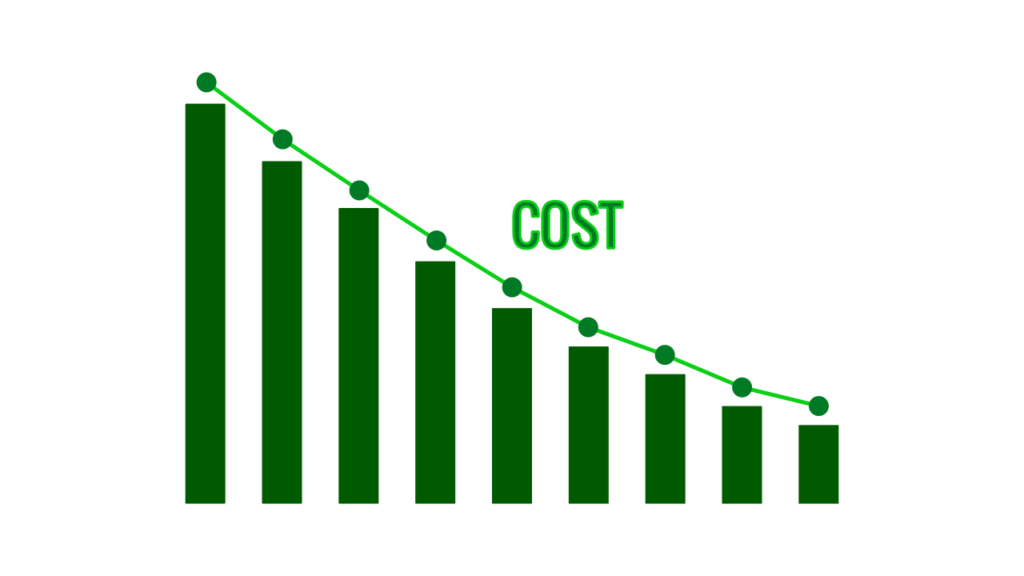
Digital marketing has reduced some expenses covered in traditional marketing making it cost effective. These expenses can include some upfront costs and some costs incurred in running marketing activities. Examples of upfront costs can include costs in printing marketing flyers, brochures, catalogs, banners, posters, and other marketing materials. Examples of other marketing expenses can include costs incurred in hosting or attending events. Even though a business may not necessarily host events, it may still incur expenses from attending events by other businesses. These can include expenses incurred in traveling, registration, setting up booths, acquiring supplies for the event set-up, etc. Implementing digital marketing reduces these costs as it doesn’t depend on print promotions or event expenses while reaching the target audience.
A company’s budget is usually shaped by the company’s needs. Implementing a good marketing strategy that incorporates digital marketing will help reduce these marketing expenses while achieving the overall business goals. A start-up company may consider digital marketing as its initial marketing strategy before introducing other marketing strategies to increase sales.
3. EASY TO TRACK AND MONITOR CAMPAIGNS
Tracking the live performance of your campaigns is one advantage that digital marketing brings. The platforms provided by online advertising companies have useful measurement, reporting, and analytical tools that can help businesses monitor how their campaigns are performing. Businesses can easily change strategies and tactics on poorly performing campaigns and identify areas of improvement.
By tracking and monitoring campaigns, businesses can work to make strategic changes to improve their campaign performance ensuring the business’ goals and objectives are being met. In addition, tracking and monitoring help remove unnecessary budget spending since a business can identify and drop poorly performing campaigns and allocate the budget to best-performing campaigns. It also helps in planning better forecasts for future campaigns. The presence of these digital tools makes a business decide on the best digital marketing strategy to run a successful campaign.

4. FLEXIBILITY
Digital marketing has a wider option of channels and strategies for a business to promote its brand. It gives flexibility to businesses to adjust the kind of strategies to employ to reach their audience. There are many types of digital marketing strategies a business can choose from which include:
- Search Engine Optimization (SEO)
- Pay Per Click (PPC)
- Content Marketing
- Social Media Marketing
- Website Marketing
- Email Marketing
- Affiliate Marketing
- Instant Messaging
- Influencer Marketing
Another equally important flexibility is the features provided for in digital marketing tools by online marketing companies. These tools have advanced features that make it flexible for businesses to set-up campaigns, change some campaign aspects, during the campaign period, to improve the campaign’s performance so as to achieve marketing goals. For example, a business has options to make changes to the target audience depending on the campaign’s performance and needs, stop some campaigns that may lead to a low return on investment, make changes to the preferred locations to run the campaigns, etc.
The flexibility of digital marketing enables a business to make better strategic decisions and utilize the campaign budget to achieve optimal results. The digital marketing strategies described above are not only one of the benefits of digital marketing but also form a big topic that contributes to performing successful digital marketing to achieve business goals. These digital marketing strategies are discussed in another topic in this article.
5. MEASURABLE OUTCOMES
Digital marketing tools offer very good features that make it possible to measure how a campaign is performing and obtain data on certain metrics. Tracking different metrics is made easier, for instance, a business can track social media views, organic page views, the number of clicks on your ads, the number of impressions on your ads, etc.
A business can use these metrics to make decisions on areas of improvement based on campaign performance. For instance, they can determine whether there’s a need to change the type of ads being displayed e.g. video ads may be performing better than other types of ads. Additionally, they can decide whether there’s a need to increase their budget to reach a larger audience in a certain location where their ads are highly performing. Also, the business can use these metrics to determine whether to continue investing in a campaign based on the projected outcome and return on investment.

6. INCREASED CUSTOMER ENGAGEMENTS
Businesses can engage with customers and receive instant feedback through digital marketing channels like social media, SMS, emails, and blog comments. This enables businesses to respond to customer queries and ensure their satisfaction. It also helps businesses to understand their customers and make necessary changes to their campaigns.

7. EFFECTIVE AUDIENCE TARGETING
Digital marketing tools enable businesses to target desired online audiences whose preferences may be more aligned with campaign objectives. Considering the campaign being done globally, many online users have different preferences. For instance, it would be a waste of money to advertise winter clothing in a county that never experiences winter. Likewise, it will be a waste of budget to advertise an app that only runs on Android phones to iPhone users. Whereas in traditional marketing there’s no control over who sees your advertisement, digital marketing has this capability. It enables a business to spend its budget on the right audience and maximize the Return on Ad Spend (ROAS).

HOW DIGITAL MARKETING WORKS
Similar to marketing done by businesses, digital marketing aims to achieve business goals and make the business realize benefits. In a normal structure of a company, a marketing department will run marketing activities to achieve business goals.
Digital marketing uses marketing ideas that are enhanced to address online customer trends with an aim to achieve business goals. It focuses on creating brand awareness, influencing customer consideration, driving customer action and converting leads to an online presence to achieve the business objectives.
For example, let’s say you run a health and fitness online equipment supply shop. You want to attract customers to this online shop, however, your website does not appear at the first page in Google or Bing search results as you would expect. To attract visitors to your site you need to plan on how to generate traffic, create brand awareness, influence customer consideration, and generate leads. This creates the beginning of Digital Marketing for your online shop! In your plan, you will need to understand the digital marketing strategies explained below. In addition, it is also necessary to understand important digital marketing terms as you venture into digital marketing.
In a nutshell, you will need to do some of the following:
- Optimize your website to make it rank higher in search engine results – SEO
- You may choose to pay an online advertising company each time a user clicks your ad – PPC
- Create a blog that is rich in content about the products you sell – Content marketing
- Use social media to advertise your products – Social Media Marketing
- Optimize your website with a great user experience to attract outside visitors – Website Marketing
- Create a platform where other people can sign up and promote your products through affiliate links – Affiliate Marketing
- Market your products or services through messaging platforms – Instant Messaging
- Request your customers for email subscription to send them promotional emails – Email Marketing
- Partner with popular social media personalities to promote your products to their followers – Influencer Marketing
By using these strategies to generate traffic to your website, you are doing Digital Marketing. It simply informs on how digital marketing works. Applying all or any of these types of digital marketing strategies will help you achieve your business goals.
Now that we have learned how digital marketing works, let’s dive into the Digital Marketing Strategies or Types of Digital Marketing.
9 TYPES OF DIGITAL MARKETING (DIGITAL MARKETING STRATEGIES)
1. SEARCH ENGINE OPTIMIZATION (SEO)
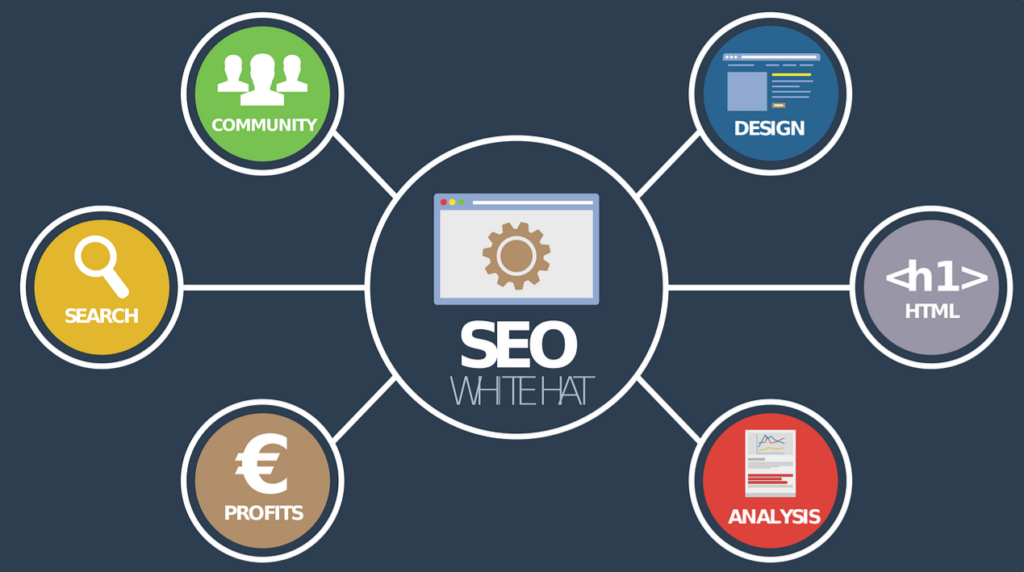
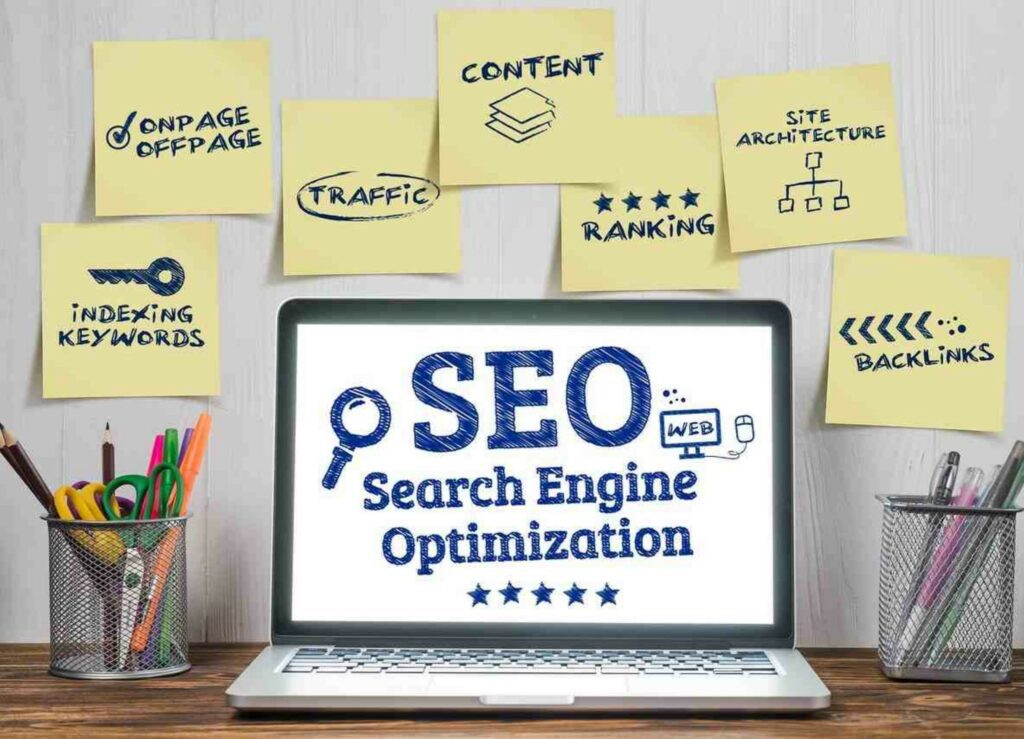
SEO is the process of optimizing your website to make it rank higher in a search engine’s search results and generate traffic to your website. Google, Yahoo, Microsoft Bing, and DuckDuckGo are examples of search engines. The results displayed for a certain topic in a search engine’s results appear based on the ranking of websites. Higher-ranked websites are displayed on the first page of search results for the particular searched topic. If you want to appear on the first page of search engines without incurring advertisement costs, SEO is the way to go.
2. PAY PER CLICK (PPC)
Pay Per Click is a marketing strategy where you pay an online advertising company each time a user clicks on your advertising Ad. It is an easier and first way to get traffic to your website. With PPC, your website page will be displayed at the top of search results, giving you instant visibility to potential customers.
Even though PPC does not require website optimization, it is still a good practice to optimize your website for SEO. This can help improve the quality of your website and boost its ranking in organic search results.
It is important to keep in mind that PPC is a paid advertising method, which means that you will be charged for every click you receive to your website. Therefore, it is crucial to have a well-planned and targeted PPC campaign to ensure that you get the most out of your investment
There are many online advertising companies with major ones including Google Ads, Facebook, Twitter, and LinkedIn.

3. CONTENT MARKETING
Content marketing involves creating brand awareness, generating traffic, creating leads and customers to your website by promoting your content. It creates a platform to interact with your customers and convince them to make a purchase. The forms you can use in content marketing include:
- eBooks
- Blog posts
- Social media posts
- Podcasts
- Videos
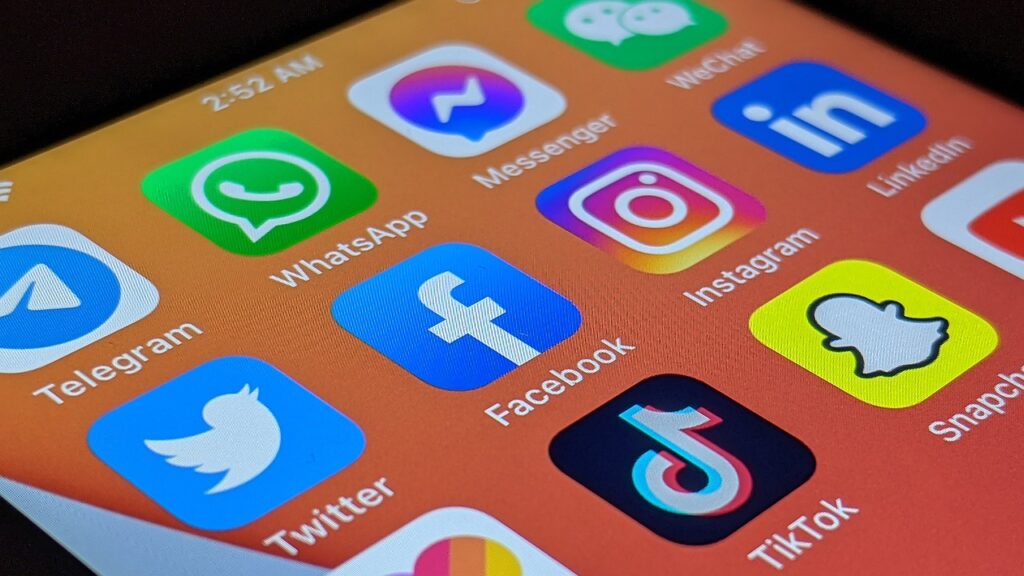
Social media marketing as the name suggests is a marketing strategy whereby you promote your content or business in social media channels. Examples of social media channels include:
- Threads
- YouTube
- TikTok
It creates a platform to interact with your customers, create brand awareness, and promote your business and content to your audience.
5. WEBSITE MARKETING
Website marketing is a type of marketing where you maintain a good user experience (UX) on your website to attract outside customers. It is a simple and easy approach to get purchases from your customers. Not only should you have an optimized website that provides a great customer experience, but it should keep your customers engaged. Using easy navigation and easy-to-find information for products and services creates more chances of getting purchases from visiting customers on your website. In addition, having consistent landing pages with the fonts you use, organized headings, H1 and H2 tags, etc., and correct and reliable information about the products or services you provide increases customer engagement to a call to action (CTA) by your customers.
For example, consider walking to a well-organized physical marketplace with sellers selling apples, mangoes, grapes, etc. You can easily navigate through the organized fruit display and buy the fruits you need. The physical experience you feel as you shop in the marketplace can be compared to the user experience a customer will have while navigating through your website. First, your website should be well organized with good navigation that guides the customers to the correct landing pages. Second, the landing pages should make your customers stay longer and keep them engaged on the website. Third, your website should be more responsive to all devices like PCs, laptops, mobile phones, and tablets. Fourth, your landing pages should be well structured using headings, H1, and H2 tags, the right font family, and good text size, etc. All this points to making a great UX for your website an important factor for website marketing. As a result, your customers should find it easy to navigate through your website and get the information they are searching for.
6. AFFILIATE MARKETING
Affiliate marketing is a digital marketing strategy where an individual promotes products or services made by other businesses and earns commissions using affiliate links. It can be integrated with any of the digital marketing strategies discussed in this post. To attract potential customers, you need to create visually appealing images, informative content, or both, that showcase a product or service. Interested customers searching for similar products or services, and who happen to be visiting your page, will click on your affiliate links which will lead them to the product or service page. If they make a purchase, you will earn a commission.
7. INSTANT MESSAGING
Instant messaging involves marketing your products or services through messaging platforms. Customers can receive text messages directly to their mobile phones or through messaging apps like WhatsApp, Facebook Messenger, or Telegram about a product, service, or flash deals. For example, customers may visit a website and opt-in to fill out an online form giving their details such as phone numbers, email addresses, and other information. Through the customer’s consent, the company may then start sending them promotional messages on discount offers, upcoming events, etc.

8. EMAIL MARKETING
Email marketing is used to communicate with customers who have liked your product or service and subscribed to receive updates from your business. The email content can include promotions about a new product, flash deals, discounts, new book, etc. The content promoted by email marketing will direct people toward the business’s website. Email marketing helps to retain loyal customers who will keep purchasing from your business.
9. INFLUENCER MARKETING
Influencer Marketing is a type of digital marketing where businesses partner with popular social media users with large followings to promote their products or services. The company pays the influencer to promote their product or service to their audience. The influencer will publish blog posts or videos related to the product or service provided by the company on social media. The blog posts or videos can be reviews of a product’s features, experience received by the influencer on a service by the company an example of hotel services etc.

4. SOCIAL MEDIA MARKETING